Org-Level Harness: What I've Been Building, Pushed One Layer Further by Claude Tag

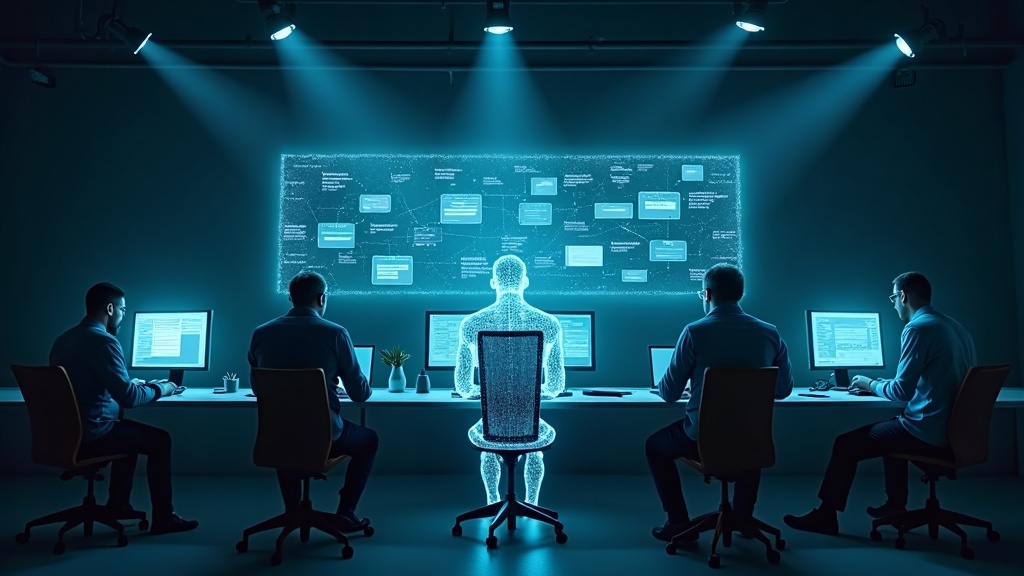
Claude Tag has been the AI story lately. Anthropic gave Claude a persistent identity inside Slack — its own account, its own memory of what a channel cares about, the ability to notice a problem and start fixing it without anyone asking. Andrej Karpathy called it the third major redesign of LLM UI/UX: first the LLM was a website you visited, then an app you downloaded, now a persistent, asynchronous entity with org-wide tools and context, working alongside a team of humans.
I've been writing about a version of this problem for months. In OpenSpec + Harness, Then We Added Engineers, I described what breaks when individual AI acceleration hits a team: spec quality becomes the bottleneck, PR review bandwidth becomes the bottleneck, shared files become a contention point. Claude Tag is the next stop on that same line. It just takes a different road than the one I built.
One engineer running Claude Code well is not the finish line. What's still unsolved is how a group of people use it together. Individual output is up. Team-level delivery time hasn't made the same jump. That gap is what the next round of Harness Engineering has to close.